How much does a property record actually change in a year?
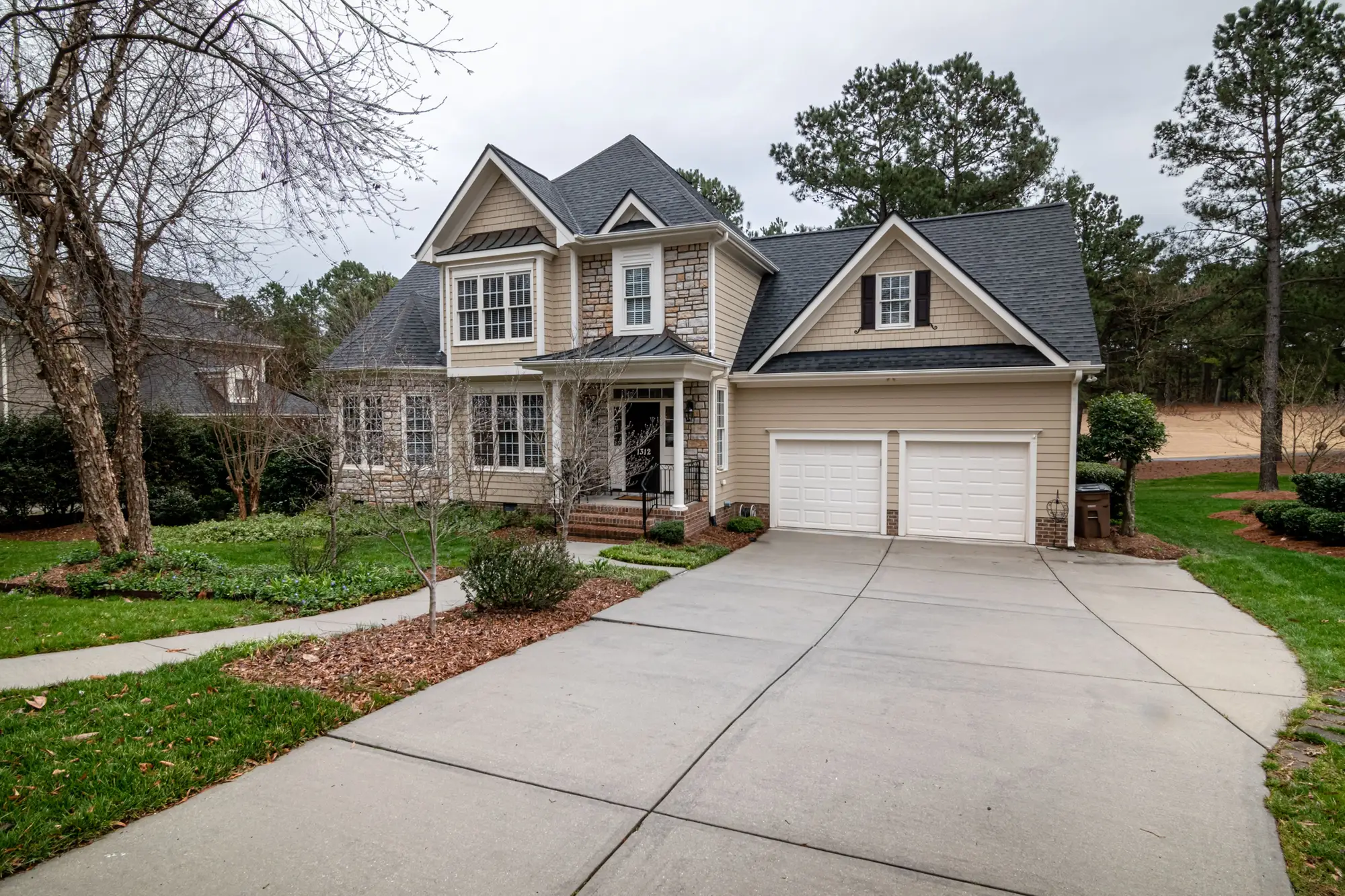
If you're deciding how often to refresh physical attribute fields on a listing or valuation database, the honest starting point is a different question: how often do the underlying things change?
Not "how often could a pixel shift." How often does a driveway get repaved, a pool get installed, an outbuilding go up, a lot go from mowed to overgrown. Because that's the churn rate that should set your refresh schedule, not a vendor's default cadence.
The attributes move slower than the portfolio
Across a few hundred thousand parcels, something somewhere is always changing. New pool permits get pulled every week in any metro with a construction department. A shed goes up in someone's backyard over a weekend. But at the level of a single record, these are low-frequency events.
A driveway surface lasts years between resurfacing or replacement. A garage, once built, stays built. Pools get installed and removed, but both are capital projects that take planning, permitting and a few weeks of construction. None of that happens on a monthly clock. Lot condition, meaning overgrowth, debris, visible neglect, shifts gradually and seasonally rather than flipping overnight, except in the cases that matter most to you: a property going vacant, a foreclosure starting to show, a rehab wrapping up.
So the real distribution looks like a small number of records changing meaningfully each year, and a large majority sitting still. Running a field-level review of the whole file quarterly means paying the review cost four times over to catch a churn rate that mostly shows up once.
What a year changes
If you've ever manually spot-checked a sample of listing photos against last year's, the pattern is familiar. Most records come back identical: same driveway, same garage, same absence of a pool, same reasonably maintained lot. A smaller slice shows the kind of change that matters for valuation or risk flagging: a pool appeared, an outbuilding got added, tree cover came down for a lot clearing, or a property's lot condition degraded enough to be a visible red flag in an AVM or an underwriting review.
That smaller slice is exactly what an annual pass is built to catch. It's frequent enough that a pool installed this spring shows up in the record by next year's refresh, not three years from now. It's infrequent enough that you're not re-reviewing a driveway that looked the same in March as it did in January.
The seasonal part is worth naming separately. Tree canopy in particular looks different in July than it does in December in a lot of markets, and lot condition can read differently depending on when in the mowing season the image was captured. An annual cadence pinned to a consistent capture window handles this better than an ad hoc refresh that might compare a winter image to a summer one and call the difference "change" when it's really just the calendar.
Why this is an annual-cadence problem, not a monthly one
A field that's blank or three years stale on driveway surface, garage presence, pool, outbuilding count, tree cover and lot condition forces an underwriter or a valuation model to either skip it or guess. An annual pass applied across the whole portfolio, every parcel, every cycle, closes that gap instead of leaving it to whoever meant to populate those fields and never got back to it.
Property Attributes is built around that cadence: VHR satellite and aerial imagery at 0.5 m resolution or better, reviewed once a year, delivered as attribute fields keyed to your existing property IDs. It's the annual pass for the fields a listing photo would show you and your tabular database doesn't, without someone on your team opening photos one parcel at a time.
If driveway, garage, pool, outbuilding, tree cover or lot condition fields are sitting blank across your portfolio right now, that's worth a look before next year's refresh cycle starts.