Condition rating vs. visible property feature: what's the difference?
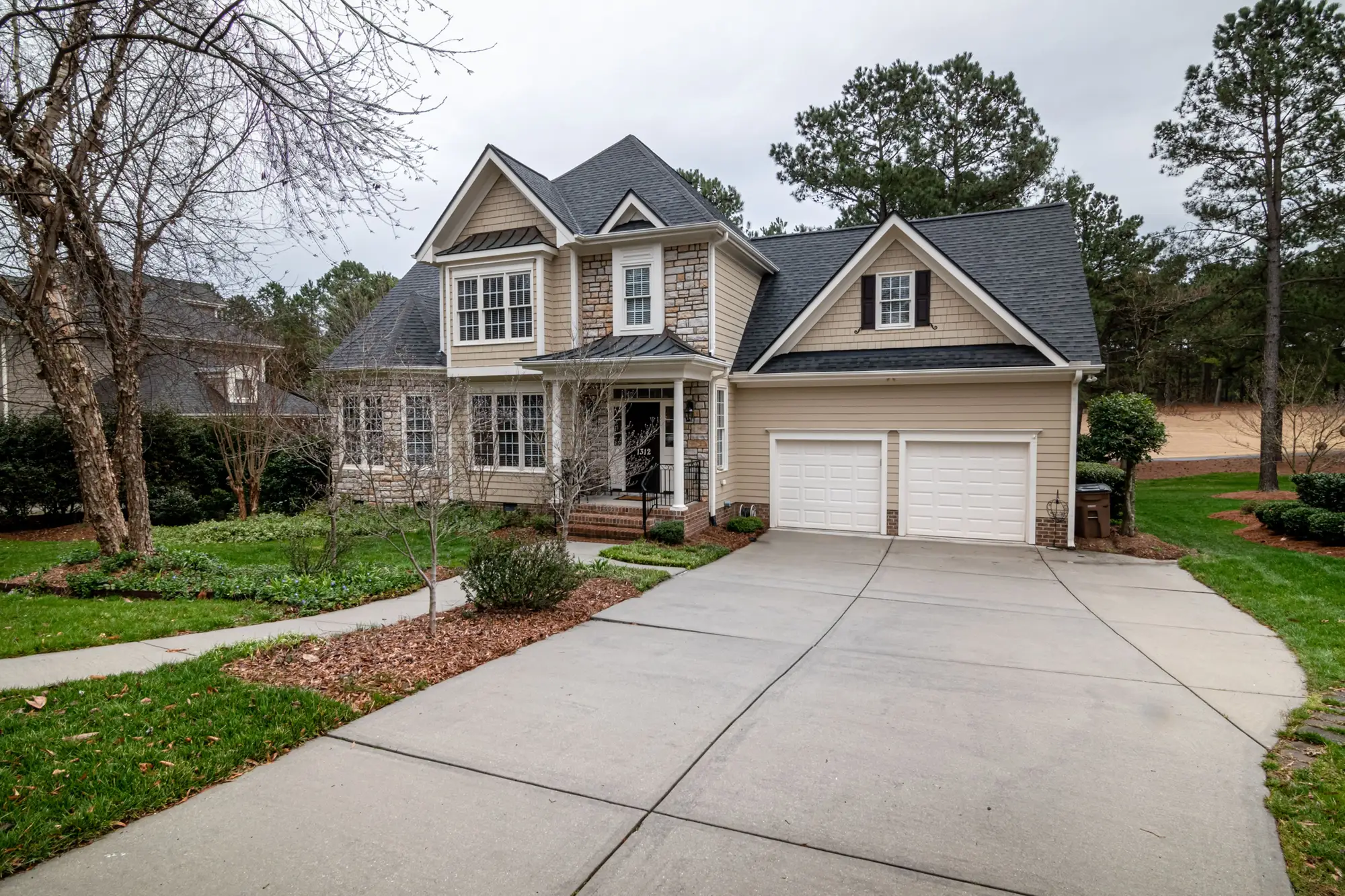
Ask three appraisers to assign a condition rating to the same house and you'll sometimes get three different answers. Ask whether the house has a pool, and you get one answer, every time. That's the whole distinction in a sentence, but it's worth unpacking because the two get mixed up constantly in valuation data, and mixing them up is where AVM models quietly start to drift.
What a condition rating actually is
A condition rating is a judgment call compressed into a code. Appraisers and AVMs use scales like C1 through C6, or simple Excellent/Good/Fair/Poor buckets, to summarize the overall state of a property: age-adjusted wear, deferred maintenance, how recently things were updated, whether the roof looks original or replaced. It's a composite. Someone (or some model) looked at multiple signals, weighed them, and rolled them into a single label.
That means a condition rating is an opinion, not an observation. Two reviewers can look at the same front-door photo and land on C3 versus C4 depending on how they weight the peeling paint against the newer windows. Fannie Mae's appraisal guidelines acknowledge this directly, which is why condition ratings carry reviewer notes and comp adjustments alongside the code itself. It's useful precisely because it summarizes a lot of judgment into one field, but that's also its limit: you can't reconstruct what was actually observed from the rating alone.
What a visible property feature is
A visible property feature is the opposite kind of thing. It's a discrete fact pulled from imagery: there is a driveway, it's paved, there's a detached garage, there's a pool, the lot has heavy tree cover, the rear yard shows bare dirt instead of grass. No weighting, no judgment call. Either the driveway shows up in the image or it doesn't.
This is the layer that's usually missing from a tabular property record. Tax assessor data and MLS fields capture square footage, bed/bath count, lot size, year built, the structured stuff. They don't capture that the backyard is covered in debris, or that there's a second structure on the lot that never made it into permits, or that the driveway is gravel instead of asphalt. That information exists, but it's sitting in a listing photo or an aerial tile, not a column in your database. Someone has to look at the image and extract it, and at portfolio scale, "someone looks at every photo" isn't a real plan.
Where a lot condition score fits in
A lot condition score tries to bridge the gap, by rolling a handful of visible features into a single number: paved versus unpaved surfaces, presence of outbuildings, visible vegetation overgrowth, debris or clutter in the yard. It looks like a condition rating in shape. It's a score, after all. But it's built from the same raw material as the feature fields above, observable attributes, not an appraiser's holistic read on the whole property. A lot condition score can flag that a yard looks neglected without saying anything about the roof, the kitchen, or the HVAC system, because it was never asking those questions in the first place.
A condition rating is meant to stand in for the full picture of a property's state. A lot condition score, and the individual feature fields underneath it, fill in the specific gaps a condition rating doesn't resolve on its own: paved versus unpaved surfaces, outbuildings, pools, tree cover, debris. That's especially true for records where no rating exists at all because nobody ever drove the property.
Why the distinction matters for your data
If your valuation model treats a missing condition rating the same as a missing driveway field, you're losing information you could have had cheaply. The rating requires a human judgment call somewhere in the pipeline. The feature fields don't. They can be extracted from imagery you may already be licensing, at the scale of a full parcel database rather than a sample of recently appraised properties.
Property Attributes exists for that second layer: driveway, garage, outbuilding, pool, tree cover, and visible lot condition, delivered as attribute fields keyed to your existing property IDs and refreshed annually from aerial imagery. It doesn't replace a condition rating. It fills in the fields a rating was never built to cover, for every record in your portfolio instead of just the ones with a recent inspection.
If your records have condition ratings for a fraction of your portfolio and nothing for the rest, that gap is exactly what this kind of feature data is for.