What is attribute staleness, and why doesn't annual imagery mean annual change?
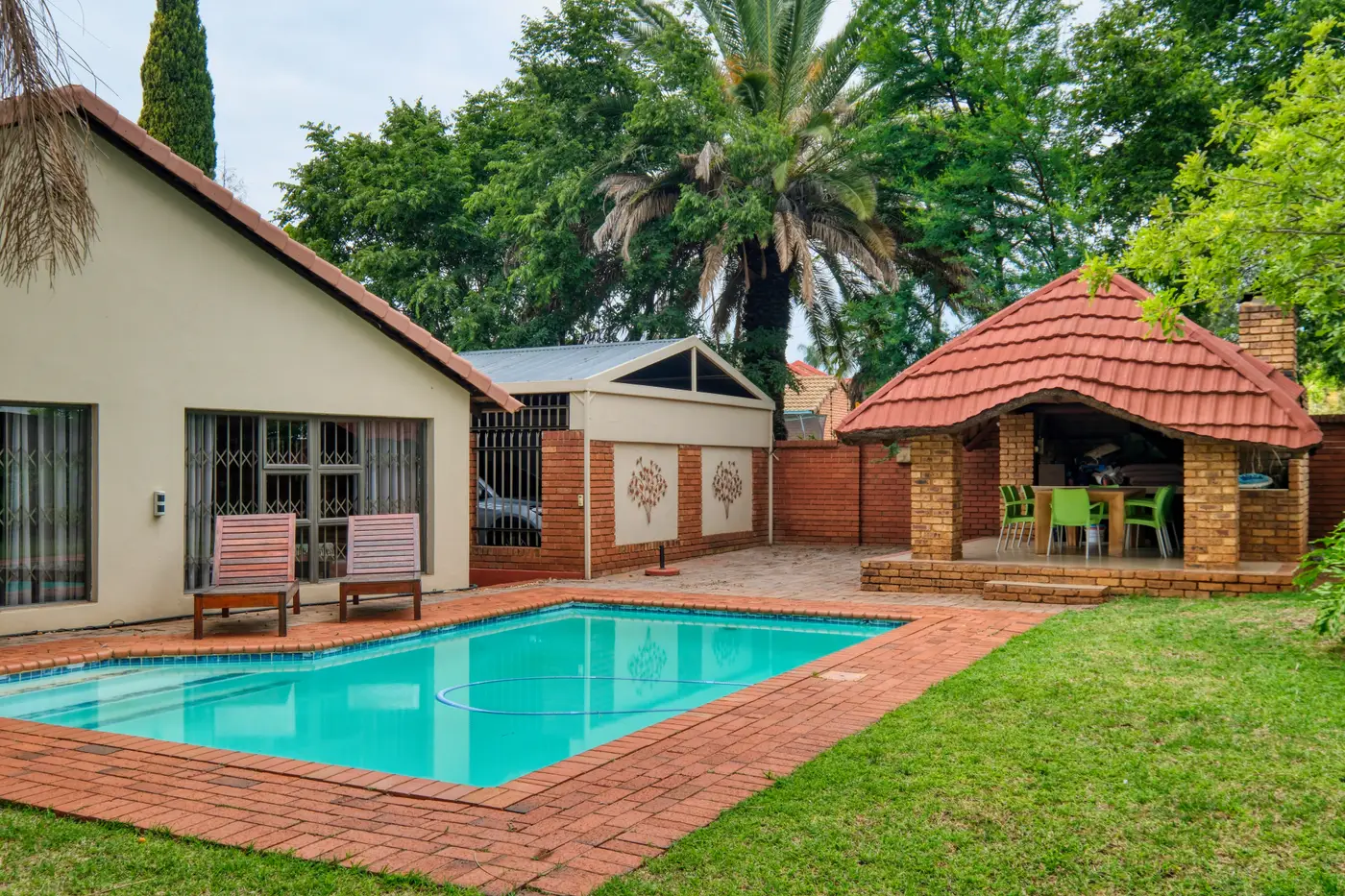
Attribute staleness is what you get when a field in a property record stops matching the lot, and nothing in your pipeline tells you so. A pool gets filled in. A detached garage goes up. A line of trees along the back fence comes down for a pool deck. The record still shows what it showed two cycles ago, and the field sits there looking authoritative because nobody flagged it.
It's a different problem from image staleness, which is just an old pass. You can have a fresh image and a stale field, if the attribute was never re-derived from the new pass. You can also have a stale field sitting on top of a current image for years, if nobody ever checked the photo against what the database says. The imagery clock and the attribute clock aren't the same clock, and treating them as one is where a lot of portfolios quietly drift.
Why a 12-month cadence doesn't mean every field moved
Refresh the imagery every year and it's tempting to assume the attribute layer refreshes with it, field by field, lot by lot. It doesn't work that way, because most lots don't change most years. A driveway that was asphalt last year is asphalt this year. A detached garage doesn't relocate. Tree cover on a mature lot moves slowly unless someone clears it on purpose.
What actually changes year over year, on any given lot, is a small slice of the attribute set: a pool added or removed, an outbuilding built or torn down, visible lot condition shifting after a storm or a long vacancy. The annual cadence exists to catch that slice reliably, not because every field on every record is expected to flip. A refresh cycle that finds nothing different on 90% of lots isn't a wasted pass. It's confirming the record still holds, which is its own kind of signal.
Read "last updated" dates with that in mind. A field stamped a year ago isn't automatically suspect, and neither is one stamped three refresh cycles back if the surrounding attributes on that lot haven't moved either. The risk sits with records that have gone multiple cycles without any attribute review at all: that's where a change could have happened and nobody checked for it.
When to flag a record as stale
A few patterns are worth building into your QA pass rather than waiting for a downstream complaint:
- The record has gone more than one refresh cycle without any attribute field touched, even where imagery exists for the gap.
- A field that materially affects valuation (pool, garage, outbuilding count) hasn't been reviewed since the last sale or permit event on the parcel.
- The source imagery predates a known local event, a storm pass, a wave of permit filings in that zip, that would plausibly change lot condition or structures on a chunk of the portfolio at once.
- A field was populated once, manually, and has no refresh history attached to it at all.
None of these mean the field is wrong. They mean it hasn't been checked, which for an AVM input or a listing record used in underwriting is close enough to the same risk.
Imagery cadence and attribute cadence are different numbers
Imagery refresh cadence and attribute refresh cadence are two separate numbers, and treating them as one is where the assumption breaks down: an annual pass can run its course without a single field needing to change, and a field can go stale between passes with no new imagery involved at all. An annual cadence that re-derives driveway, garage, outbuilding, pool, tree cover and lot condition fields from each year's pass, keyed to the same property ID every time, gives you a record where "last updated" means something specific. That's a different way to keep listing attributes current from either a one-time manual tag or a field left blank because nobody got to it, and it's the approach behind Property Attributes.
If stale lot attributes are sitting in your portfolio right now, it's worth finding out what an annual re-derive would catch.